The June 2026 Cliff: What Bay Area Sellers Need to Know
Donny Piwowarski | June 1, 2026
Tracy California
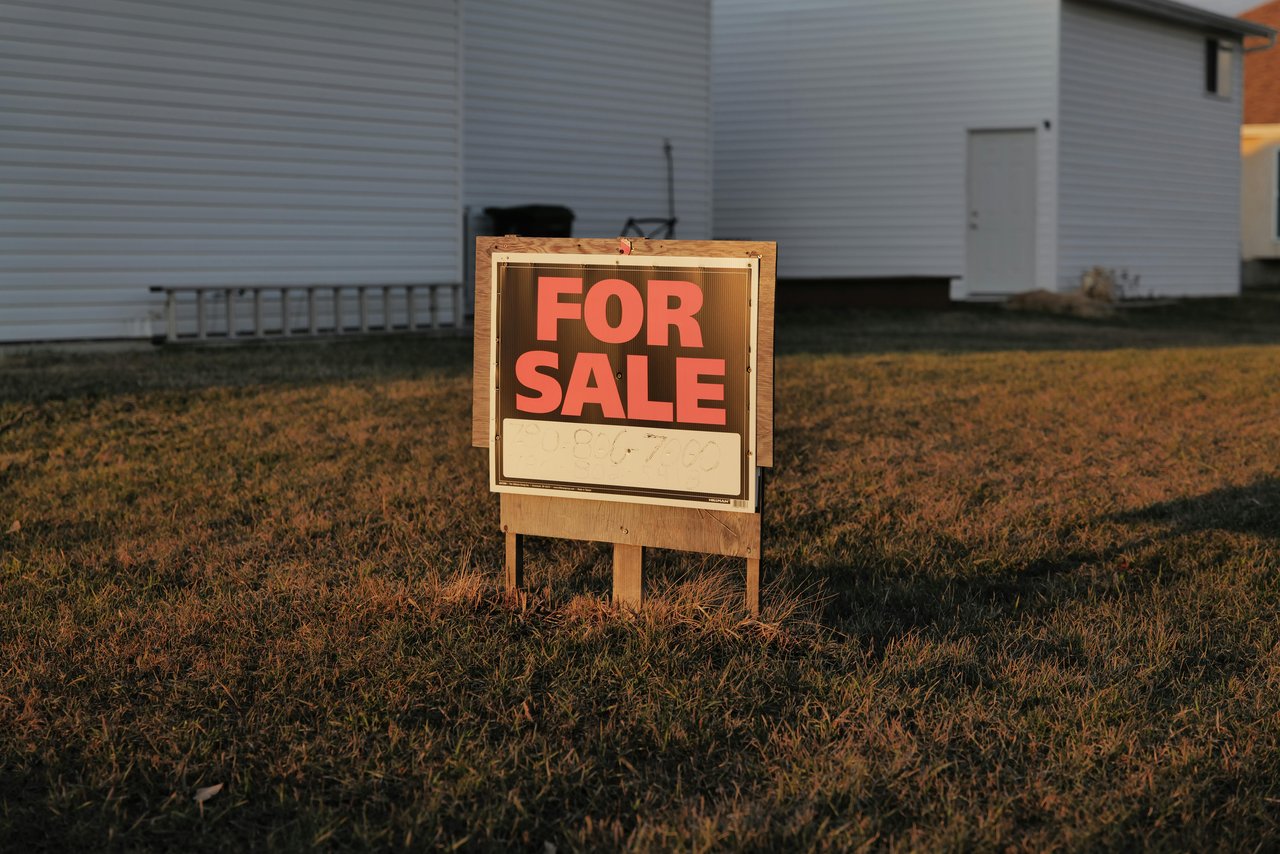
Donny Piwowarski | June 1, 2026
Tracy California
An opinion on why mid-June is the inflection point, the 8-week gap that's coming, and the seller who's about to learn this the hard way.
It's a Monday in early June. Somewhere in the Bay Area or the Central Valley right now, a homeowner is on their third coffee, opening Zillow on their phone, and saying the same thing they've been saying since March: "Maybe we'll list after the kids are out of school."
Here's the part nobody is telling that seller: they're about 14 days away from making the most expensive scheduling decision of the year.
This is what sellers actually need to know in June 2026 — not the warm seasonal pep talk, the real one.
Spring is not just "a good time to list" because of vibes. It's a good time because of how the buyer calendar actually works. Pre-approved buyers who started touring in February and March are sprinting through their last weeks before summer vacations, relocations, and the school-year handoff carve up everyone's bandwidth. Inventory peaks in late spring. Buyer urgency peaks right alongside it.
Then mid-to-late June hits, and the bottom falls out of buyer urgency for about eight weeks.
It's not that buyers disappear. It's that the competitive buyers — the ones who waive contingencies, who write fast, who actually close — go on vacation, get distracted by camp logistics, take their time. The buyers still shopping in late July are statistically more cautious, more price-sensitive, and more willing to wait for fall inventory.
If you list June 8, you catch the last of the urgent pool. If you list June 25, you catch the leftovers, and you sit until September.
That is a meaningful difference in days on market, in offer competitiveness, and in how the listing gets perceived by every buyer who scrolls past it for the next two months.
This isn't a hunch. Look at where the market actually sits as of early June 2026:
The Bay Area Unsold Inventory Index is hovering around 2.2 months, with San Francisco at roughly 1.2 and San Mateo at 1.7. That's still tight by national standards, but inventory is rising into summer — not falling. The Bay Area median time on market dropped to 21 days in April. Sales-price-to-list ratio is hovering around 100% on the best-presented properties, but the statewide ratio has slipped to 97.9% — meaning buyers are negotiating on anything that isn't dialed in.
In the Central Valley, the picture is sharper. Tracy's average days on market nearly doubled year-over-year, and inventory in the 95391 zip is up nearly 40%. Builders are dangling rate buydowns of 5.5% and closing-cost credits that resale sellers can't match. Manteca, Lathrop, and Stockton are showing similar patterns at slightly different scales.
In every one of these markets, the seller advantage is real but conditional. Conditional on being in the urgent-buyer window. Conditional on pricing realistically. Conditional on not letting the listing sit.
If you fall into any of these buckets, the June 30 cliff matters to you specifically:
That last one is the most common and the most expensive. Sellers spend April through June convincing themselves the next month will be slightly better. Then July hits, and "slightly better" turns into eight weeks of watching their listing slowly age on Redfin while a buyer makes a face at it.
Here it is, in one paragraph.
If you're going to sell in 2026 and you're not on the market by June 20, you should not list again until after Labor Day. The two months in between are statistically the worst window in the calendar to come on the market, and the cost of getting it wrong is not a few thousand dollars — it's a $20,000 to $80,000 price reduction six weeks in, on a listing buyers now perceive as stale.
I would rather see a seller wait until September, list strong, and capture the back-to-school buyer surge than rush a half-prepared listing onto the market on July 10 and spend three months chasing the market down.
The middle option — listing in late June, hoping summer treats you kindly — is the worst version of either strategy.
If you've decided to go this month, the next 14 days matter more than the next 30. A short, ruthless checklist:
If any of those five aren't ready, you are listing in July whether you mean to or not.
If your read of all of this is, honestly, we're just not ready, then make the decision now to skip summer and prepare for Labor Day weekend. Use July and August to do the painting, fix the inspection items, update the kitchen lighting, walk the property with an honest local agent and write down everything a buyer would flinch at.
You don't lose money by waiting until September. You lose money by waiting until July. Those are very different decisions.
Sellers in 2026 are still in a market with real demand. They are also in a market where the calendar matters more than it has in years, where the buyer pool gets noticeably less aggressive in summer, and where every week of unnecessary sit on the market punishes the listing more than it used to.
If you've been thinking about listing, this is the week to make the call — in either direction. Commit to June, or commit to September. Don't drift into July.
If you're not sure which is the right call for your specific property, your equity, and your timeline, that's a 20-minute conversation. The window for that conversation is also about 14 days.
Stay up to date on the latest real estate trends.
Stockton, CA
Donny Piwowarski | June 24, 2026
Neighborhoods, schools, the commute, what your money actually buys, and the honest case for why the city most people dismiss deserves a second look.
Tracy California
Donny Piwowarski | June 22, 2026
An opinion on the calculation most renters never run — and why "waiting for the right time" is costing Bay Area and Central Valley renters more than they realize.

Tracy California
Donny Piwowarski | June 19, 2026
The tax rules changed in 2021 and most heirs don't know it yet. Here's the honest 2026 breakdown of Prop 19, the step-up basis, and how to actually make the right deci… Read more
Manteca, CA
Donny Piwowarski | June 17, 2026
Neighborhoods, schools, the commute, what your money actually buys, and the honest split between a city that's cooling and a community that isn't.

Tracy California
Donny Piwowarski | June 15, 2026
An opinion on why the "consolation prize" narrative about inland California is dead — and what the 2026 numbers actually say about who's building wealth and who's wait… Read more

Tracy California
Donny Piwowarski | June 12, 2026
The first 14 days are everything. Here's why overpricing is the most expensive mistake a California seller can make in 2026 — and exactly how to avoid it.

Lathrop, California
Donny Piwowarski | June 10, 2026
River Islands, master-planned waterfront living, science-focused charter schools, and a commuter location that punches well above its size. Here's everything you need … Read more

Tracy California
Donny Piwowarski | June 9, 2026
An opinion on the most expensive thing Bay Area and Central Valley buyers are doing in 2026 — and why the strategy that feels safest is actually the riskiest.

Tracy California
Donny Piwowarski | June 5, 2026
An honest 2026 guide for California landlords — the legal rules, the discount math, and when selling occupied beats waiting through an eviction.
You’ve got questions and we can’t wait to answer them.