Living in Stockton, CA: The Complete 2026 Guide
Donny Piwowarski | June 24, 2026
Stockton, CA
Donny Piwowarski | June 24, 2026
Stockton, CA
Neighborhoods, schools, the commute, what your money actually buys, and the honest case for why the city most people dismiss deserves a second look.
Stockton has a reputation problem. It's been called one of America's most dangerous cities. It filed for bankruptcy in 2012. It sits in a national conversation about urban decline that often isn't flattering.
It's also a city of 320,000 people with some of the most undervalued real estate in Northern California, a growing waterfront district, one of the most livable neighborhoods in the Central Valley (Lincoln Village), and a median home price of $480,000 that makes every other city in this guide look expensive.
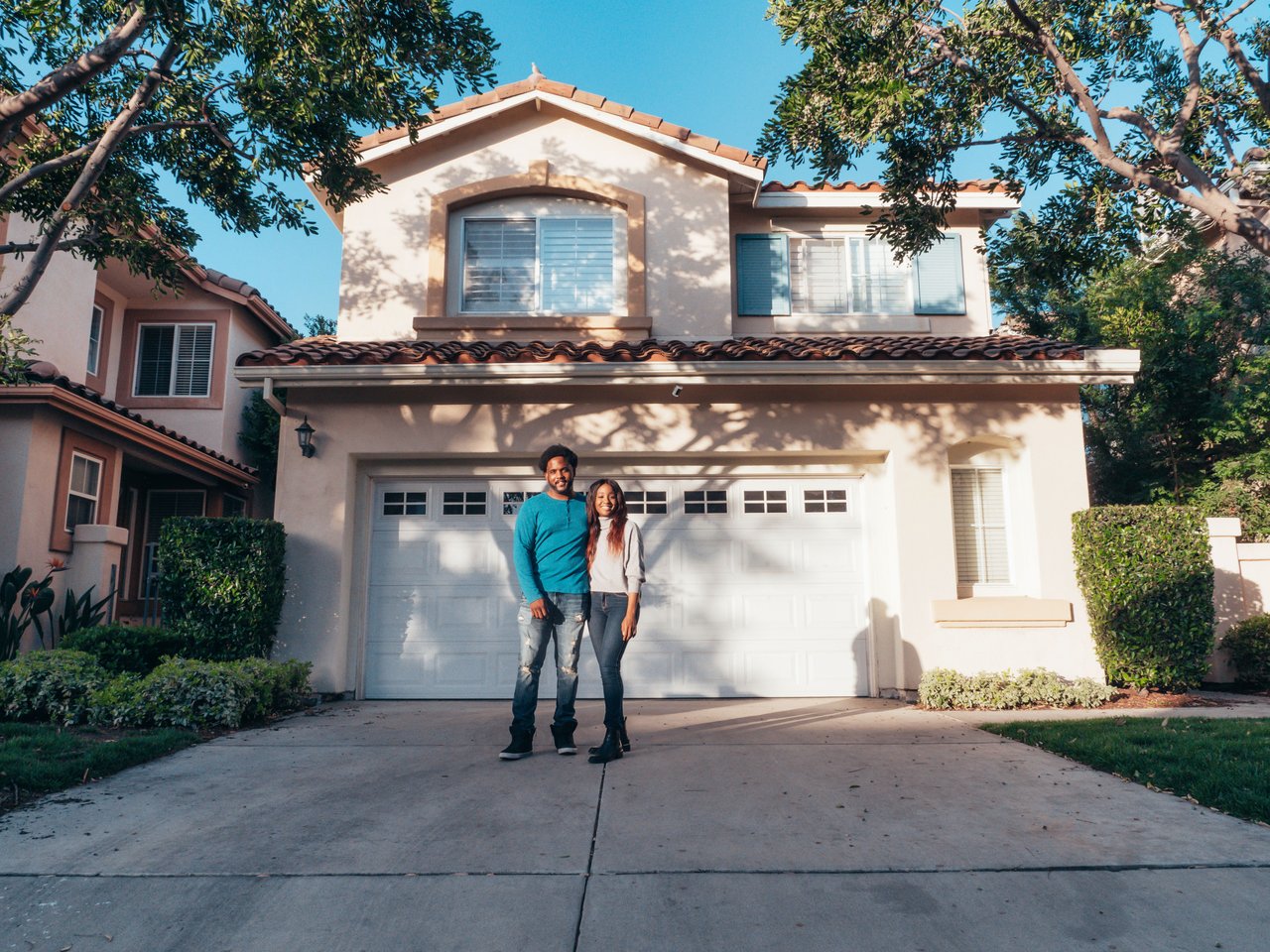
Here's the thing about Stockton that most people who dismiss it have never actually done: spent time in the right neighborhoods. The right part of Stockton doesn't feel like the city most people imagine when they hear the name. It feels like a quiet, tree-lined suburban community with lake views, a golf course, and access to the California Delta.
This is the complete honest 2026 guide — what Stockton actually is, where buyers should look, what to avoid, how the schools break down, what the commute looks like, and whether Stockton is right for your life.
Stockton sits in San Joaquin County at the convergence of Interstate 5, State Route 99, and Interstate 205, roughly 45 miles south of Sacramento and 80 miles east of San Francisco. It's the county seat and largest city in San Joaquin County, positioned at the southern edge of the Sacramento-San Joaquin Delta — California's most extensive river delta system.
That geography gives Stockton something Tracy, Manteca, and Lathrop don't have: genuine waterfront character. The California Delta touches the city's northern and western edges, and neighborhoods like Lincoln Village and Lincoln Village West are built around it.
Quick facts:
Before neighborhoods, before prices, before commute times — the most important thing any Stockton buyer needs to understand is the school district split. It determines almost everything.
Stockton is served by two meaningfully different school districts:
Stockton Unified School District (SUSD): The larger district, covering most of central and south Stockton. Ratings are below average across most metrics, and the district has historically struggled with academic performance, funding, and outcomes. If you're buying in Stockton with school-age children, this is the district most first-time Stockton buyers accidentally end up in when they don't ask the question.
Lincoln Unified School District (LUSD): The meaningfully different option. Covering the northern Stockton neighborhoods — Lincoln Village, Lincoln Village West, Brookside, Spanos Park — Lincoln Unified is a genuinely well-regarded district anchored by Lincoln High School (A-minus rated on Niche, ranked among the top STEM high schools in Modesto/Stockton region) and St. Mary's High School. This is the district that changes the Stockton calculation for families.
The single most important due-diligence step in a Stockton home search: verify the school district for the specific address before making an offer. The boundary between SUSD and LUSD doesn't follow obvious geographic lines, and a one-block difference can mean a completely different school assignment.
Stockton's citywide median list price sits at approximately $480,000 in June 2026 — the most affordable major city median in San Joaquin County by a meaningful margin, and roughly $200,000 below the Tracy median and $300,000+ below most Bay Area suburban markets.
The price-per-square-foot average runs around $278, essentially flat year-over-year. The best and safest neighborhoods in Stockton in 2026 — the ones most buyers are actually shopping — include Lincoln Village West, Brookside, Spanos Park, Weston Ranch, and Hartford Place.
The market varies significantly by neighborhood:
For investors specifically: Stockton's median house rent sits at approximately $1,950/month (November 2025), with Lincoln Village West rentals commanding around $1,766/month and properties near the University of the Pacific and medical centers generating consistent tenant demand.
About 5 miles north of downtown Stockton, Lincoln Village is the neighborhood most serious Stockton buyers eventually end up in — and for good reason. It's a self-sufficient community with five schools, a golf course, retail shops, and access to the California Delta waterways via White Slough.
The neighborhood is family-friendly, quieter than its proximity to a major city would suggest, and built around a combination of ranch and contemporary homes ranging from roughly 658 to 3,700 square feet. Easy access to both Sacramento and Bay Area commuter routes. Swenson Park Golf Course anchors the area's recreational identity.
Best for: Families who want Lincoln Unified schools, a quiet suburban character, and waterway access without paying waterfront premiums.
Lincoln Village West is Stockton's most distinctive neighborhood — and one of the most underrated waterfront communities in the Central Valley. Built around Lake Lincoln (a maple leaf-shaped lake) and White Slough (connecting boats to the San Francisco Bay), the neighborhood offers genuine lakeside living at prices that would be two to three times higher anywhere near the Bay Area.
Housing ranges from condos to expansive single-family waterfront homes with seven-figure price tags, with the majority of the market clustering in the $375,000–$500,000 range for non-waterfront properties. The Village West Marinaconnects residents to the broader California Delta. Fritz Grupe Park wraps around Lake Lincoln with trails connecting to neighborhood sidewalks.
Lincoln Village West home prices rose 15.1% year-over-year as of March 2026 — among the strongest appreciation in San Joaquin County. Buyers who discovered this neighborhood five years ago are looking very smart right now.
Best for: Buyers who want waterfront character and California Delta access at Central Valley prices, families in the Lincoln Unified district, and buyers who want the most distinctive lifestyle offering in Stockton.
Stockton's most affluent neighborhood, anchored by the Brookside Country Club with its golf course, swimming pool, tennis courts, and clubhouse. Well-manicured lawns, tree-lined streets, newer construction (mostly post-2000), and homes selling around $450,000–$600,000+.
Lincoln Unified schools, proximity to downtown Stockton and major job centers, and the community's combination of luxury and neighborhood spirit make Brookside one of Stockton's most consistently sought-after addresses.
Best for: Buyers who want upscale Stockton living, country club access, Lincoln Unified schools, and newer construction with modern finishes.
A master-planned community in northern Stockton divided into Spanos Park East and Spanos Park West, featuring modern homes, well-maintained landscapes, and family-friendly amenities including parks, playgrounds, and walking trails. Easy access to I-5 and major highways. Lincoln Unified schools.
Best for: Families who want master-planned community character with modern home stock and Lincoln Unified school access.
Located in southwest Stockton bordering the San Joaquin River, Weston Ranch is a diverse master-planned community known for its affordable housing options — one of Stockton's most accessible entry points for first-time buyers. The community features Craftsman, Spanish Revival, and bungalow designs alongside Paul E. Weston Park and sports facilities.
Note: Weston Ranch is served by Manteca Unified School District rather than either Stockton district — another example of why school district verification is essential in Stockton.
Best for: First-time buyers who want master-planned community character at the most accessible Stockton price points.
The neighborhood surrounding the University of the Pacific campus in central Stockton offers a vibrant urban character unlike anything else in the Central Valley corridor. Oak Park has an ice rink and pool. Victory Park hosts summer concerts and the Haggin Museum. The University of the Pacific drives consistent rental demand from students, faculty, and healthcare workers at nearby medical centers.
Best for: Investors seeking consistent rental demand from university and medical center populations, and buyers who want urban character and cultural amenities.
A city in active revitalization. The Downtown Stockton Waterfront has seen genuine investment — the Adventist Health Arena hosts hockey (Stockton Heat) and concerts, Banner Island Ballpark hosts minor league baseball, and the Weber Point Events Center anchors waterfront events including the annual Jazz Festival.
For buyers: downtown Stockton requires the most due diligence of any Stockton submarket. The revitalization is real but uneven, and property condition and block-by-block character vary significantly. Thorough research and a local agent who knows the specific block is essential.
Best for: Investors and buyers who understand urban revitalization risk/reward and want waterfront access at the lowest possible entry price.
Stockton's commute story runs in more directions than any other San Joaquin County city.
Stockton's unique commute advantage: Sacramento access is meaningfully easier than from Tracy or Lathrop. The I-5 northbound corridor to Sacramento is faster and less congested than the Altamont Pass route to the Bay Area — making Stockton an excellent base for Sacramento-employed workers.
The Robert J. Cabral Amtrak Station in downtown Stockton serves the San Joaquin line with connections north to Sacramento and south toward Bakersfield and Los Angeles. For Bay Area workers, the San Joaquin route connects through Emeryville and Oakland.
Local bus service covers Stockton's major corridors, with connections to BART and regional transit. Less frequent and comprehensive than Bay Area transit, but more developed than most Central Valley cities.
Located approximately 10 miles south of central Stockton, Stockton Metropolitan Airport offers Allegiant Airlines service to select destinations — a practical option for business travelers who want affordable air access without driving to Sacramento or the Bay Area.
Stockton's local job market is broader than most people realize:
Stockton's cultural amenity base is the deepest in San Joaquin County:
The honest answer: it depends entirely on which neighborhood. Lincoln Village, Lincoln Village West, Brookside, and Spanos Park are genuinely excellent places to live — quiet, family-friendly, well-served by Lincoln Unified schools, and dramatically underpriced relative to comparable Bay Area suburban neighborhoods. Central and south Stockton require more due diligence and are better suited for experienced investors and buyers with a high tolerance for neighborhood variability.
Lincoln Village West is consistently rated among the best — waterfront character, Lincoln Unified schools, Fritz Grupe Park trails, and Delta access. Brookside is the most affluent option. Spanos Park is the strongest master-planned community pick.
Stockton is served by two primary districts: Stockton Unified School District (SUSD) covering most of central and south Stockton, and Lincoln Unified School District (LUSD) covering the more desirable northern neighborhoods. Always verify which district serves the specific address before making an offer.
The citywide median list price is approximately $480,000 as of June 2026, with Lincoln Village West at around $420,000 (up 15.1% year-over-year) and Brookside homes generally ranging $450,000–$600,000+.
Approximately 80 miles. Driving time ranges from 90 minutes off-peak to 2+ hours during Bay Area commute traffic. The Amtrak San Joaquin line provides an alternative rail connection through Emeryville and Oakland.
Stockton is in San Joaquin County and serves as the county seat.
Safety varies significantly by neighborhood. Lincoln Village, Lincoln Village West, Brookside, and Spanos Park rank among Stockton's safest and most desirable areas. The overall city statistics are heavily influenced by central and south Stockton neighborhoods that most buyers in this guide's audience aren't shopping. Use neighborhood-specific data — not citywide averages — when evaluating Stockton.
Stockton's primary residential ZIP codes include 95204, 95205, 95206, 95207, 95208, 95209, 95210, 95212, and 95219.Lincoln Village and Lincoln Village West are primarily in 95207 and 95219. Always verify the specific ZIP and school district for any address.
Stockton in 2026 is a city of genuine contrasts — and the buyers who understand those contrasts are making some of the smartest real estate decisions in the region.
The Lincoln Village corridor offers California Delta waterfront access, Lincoln Unified schools, and 15.1% year-over-year appreciation at a $420,000 median. Brookside delivers upscale country club living at a fraction of Bay Area pricing. And the citywide median of $480,000 makes Stockton the most affordable major market in the San Joaquin County corridor — by a wide margin.
The trade-off is real: navigating Stockton requires more due diligence than Tracy or Lathrop. The school district boundary matters enormously. The neighborhood quality spread is wider than anywhere else in this guide. And Stockton's reputation, while improving, still requires buyers to do their research rather than relying on broad perceptions.
For buyers willing to do that work — or for investors who already understand that market complexity creates opportunity — Stockton delivers value that's quietly one of the region's best-kept secrets.
If you want to know what's currently available in Lincoln Village, Lincoln Village West, Brookside, or Spanos Park — with the actual school district confirmed and the neighborhood context you need — that's the conversation worth having before you spend a weekend driving through open houses.
Stay up to date on the latest real estate trends.
Tracy, CA
Donny Piwowarski | October 21, 2026
Preparing a vacant inherited home for sale is a different kind of project than getting your own home ready to list. You may not know the property's full history. There… Read more

Tracy, CA
Donny Piwowarski | October 21, 2026
If you own or are considering buying rental property in Tracy, California, this guide is for you. Tracy's rental market has been one of the more resilient in the Centr… Read more

Tracy, CA
Donny Piwowarski | October 20, 2026
California landlords have a new legal obligation at move-in and move-out — one that took effect in stages over the past year and a half and is now fully in force for m… Read more

Tracy, CA
Donny Piwowarski | October 19, 2026
If you inherited a house in Tracy or the San Joaquin Valley but you live somewhere else — another city, another state, another country — you're managing one of the mor… Read more

Tracy, CA
Donny Piwowarski | October 16, 2026
Security deposit disputes are one of the most common — and most avoidable — sources of landlord liability in California. Miss a deadline, skip an itemization requireme… Read more
Tracy, CA
Donny Piwowarski | October 16, 2026
When you inherit a house in Tracy, Manteca, Stockton, or anywhere else in the San Joaquin Valley, one of the first real decisions you'll face is this: do you sell the … Read more

Tracy, CA
Donny Piwowarski | October 14, 2026
If you own a rental property in Tracy — or you're thinking about buying one — the mid-2026 market has a clear story: rents are holding strong, vacancy pressure is real… Read more

Tracy, CA
Donny Piwowarski | October 14, 2026
If someone in your family recently passed away and left behind a house in Tracy or the San Joaquin Valley, you're probably wondering: what actually happens to the prop… Read more

Tracy, CA
Donny Piwowarski | October 13, 2026
If you own rental property in California and you're not taking photos at move-in and move-out — timestamped, documented, and tied to your security deposit itemization … Read more
You’ve got questions and we can’t wait to answer them.