Living in Lodi, CA: The Honest 2026 Guide for Buyers and Relocators
Donny Piwowarski | September 25, 2026
Lodi, CA

Donny Piwowarski | September 25, 2026
Lodi, CA
What it's actually like to live in Lodi — the wine country identity, the neighborhoods, the schools, the commute reality, and whether the housing market makes sense for you right now.
Most people outside California know Lodi from the Creedence Clearwater Revival song. Most people inside California know it as "the wine town off I-5 between Stockton and Sacramento." Both of those things are true — and neither one tells you whether Lodi is actually a good place to buy a home in 2026.
This guide does.
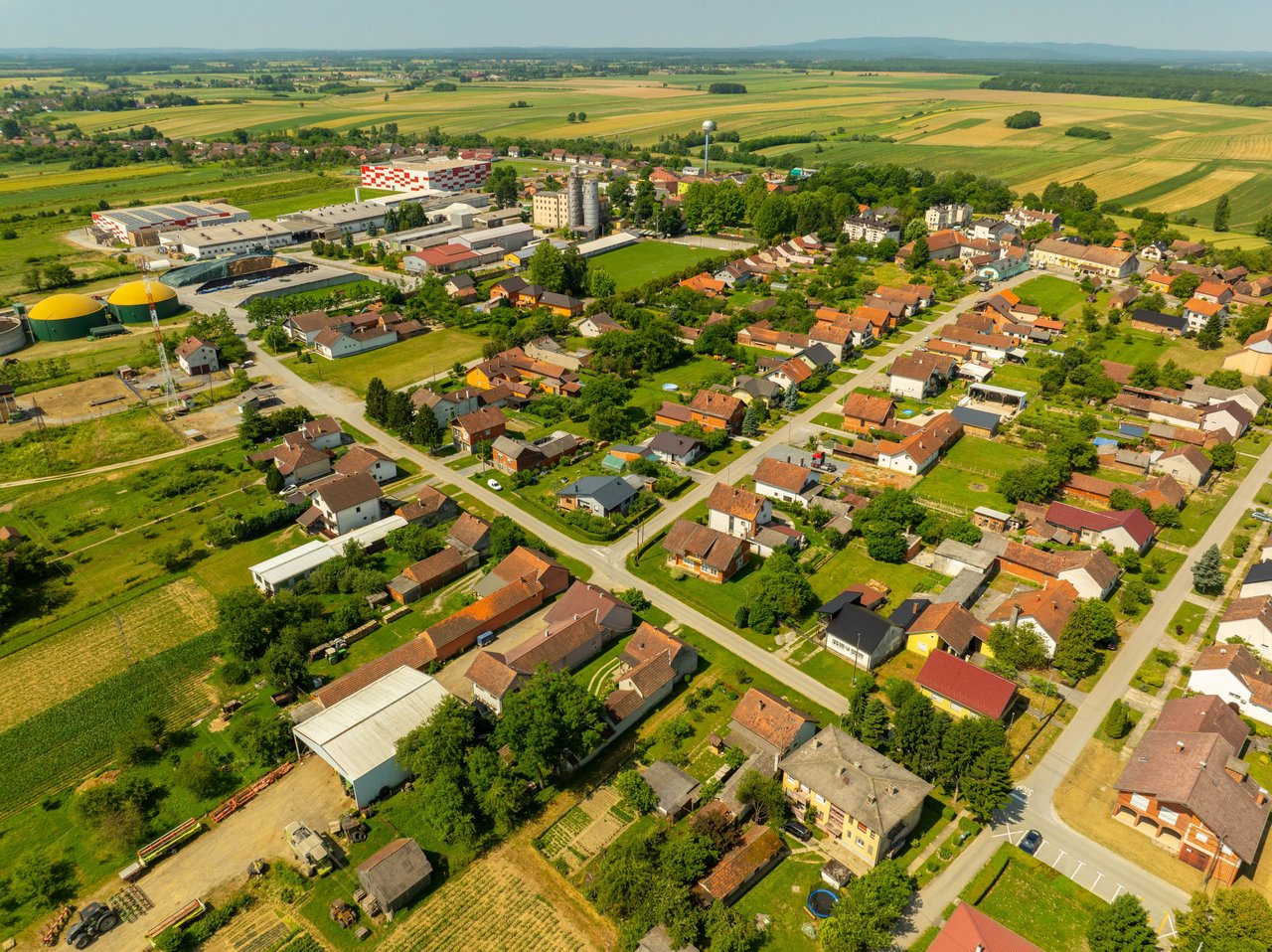
Lodi is a city of about 67,000 people in San Joaquin County, sitting 37 miles south of Sacramento and 16 miles north of Stockton. It's positioned at the northern edge of the San Joaquin Valley, at the foot of the Mokelumne River delta, in one of the most productive agricultural regions in the world.
The identity that defines Lodi more than anything else is wine. The region surrounding Lodi produces roughly 40% of California's wine grapes — with Zinfandel as the flagship variety — and the city itself is home to 85+ boutique wineries. This isn't wine country in the Napa sense, where everything is oriented around tourism and $50 tasting fees. Lodi wine country is working agricultural land with tasting rooms attached, family-owned operations that have been producing grapes for generations, and a community that actually lives alongside the vineyards rather than visiting them.
That agricultural identity shapes Lodi's character in ways that matter to buyers. Downtown Lodi is genuinely walkable by Central Valley standards — with independent restaurants, boutique shops, a Saturday farmers market, and a small-city energy that feels different from the master-planned communities that define Tracy, Manteca, and Mountain House. Lodi grew organically rather than through planned development, which means the housing stock has more variety, more character, and more age than most of its neighbors.
It also means buyers need to know what they're shopping for.
Downtown Lodi / Historic Core The streets immediately surrounding downtown feature some of the most characterful housing in the Central Valley — Craftsman bungalows, Victorian-era homes, and mid-century properties on tree-lined streets. No HOA, walkable to Pine Street shops and restaurants, and priced below what equivalent homes would cost in Sacramento's midtown neighborhoods. The trade-off is older infrastructure — buyers should expect to budget for updates on anything built before 1980.
Lakeshore Village A more conventional suburban neighborhood on the south side of the city, with single-family homes ranging from $175,000 to $630,000 and a modest $50/month HOA. Accessible price points, reasonable condition, and solid for first-time buyers who want a turnkey suburban experience without the premium of newer construction.
North Lodi / Newer Developments The northern corridors of Lodi have seen newer tract development over the last 15–20 years — larger floor plans, more recent builds, and closer proximity to Highway 99 for commuters heading to Sacramento or Stockton. Less character than the historic core, but more predictable condition and lower maintenance overhead.
Rivergate Lodi's luxury enclave — homes near the lakes and waterways that range from $1.45M to $4.9M. Not the target for most buyers relocating to Lodi for affordability, but worth knowing as a benchmark for what the upper end of the market looks like.
Lodi Unified School District serves the city with 45+ schools across elementary, middle, and high school levels. The district is one of the larger ones in San Joaquin County and generally performs in the mid-range compared to California averages.
The two main public high schools are Lodi High School and Tokay High School, both of which serve the city depending on residential zone. Elementary schools in the district average 6–8 out of 10 on rating platforms, which is competitive for the Central Valley.
For families prioritizing school quality above all else, Lodi's public school ratings are solid but not exceptional — buyers who are making a school-driven decision should compare carefully against Tracy's Lammersville district or Mountain House before committing. Lodi does have private options including St. Anne's Catholic School for families who want an alternative.
Lodi's commute picture is one of its most important considerations for buyers — and it cuts both ways.
Sacramento: 37 miles north via Highway 99. Under normal conditions, 40–50 minutes. Rush hour on 99 northbound can stretch this to 60–75 minutes, but it's generally more manageable than Bay Area commutes. Sacramento's job market — state government, healthcare, tech, education — is accessible from Lodi without the housing premium of living in Sacramento itself.
Stockton: 16 miles south, 20–25 minutes. Easy and consistent. Stockton's job market includes healthcare (St. Joseph's Medical Center, Dameron Hospital), logistics, education (University of the Pacific), and government.
Bay Area: Lodi does not have direct ACE Train access, which is a meaningful distinction from Tracy and Lathrop. The nearest ACE stations are in Stockton (Cabral Station) and Lodi's neighboring city of Woodbridge. Bay Area commuters driving from Lodi face 1.5–2+ hours each way via I-205 and I-580 — which makes Lodi a better fit for remote workers, Sacramento commuters, or buyers who have accepted that Bay Area commuting from the Central Valley requires serious planning.
Walkability: Lodi scores 58/100 for walkability — above average for the Central Valley, and reflecting the genuine walkability of the downtown core. The transit score is low (13/100), so car dependency outside downtown is real.
Lodi's cost of living index sits at 124 — about 24% above the national average, which sounds high until you compare it to the Bay Area (where the index routinely exceeds 200). Within California, Lodi is one of the more affordable cities with genuine community infrastructure and a real downtown.
Housing in 2026:
That competitiveness score — 72 out of 100 — is notably higher than some neighboring markets. Lodi is holding demand better than Manteca (which has softened significantly in 2026) and comparable to Tracy in terms of buyer competition. The median of $549K is below Tracy's $633K median, which makes Lodi one of the more accessible entry points in San Joaquin County for buyers who want a real community rather than a master-planned suburb.
For comparison: the same $549K budget that buys a Lodi home with character, a walkable downtown, and wine country surroundings would buy a comparable square footage in Tracy with better school ratings and ACE Train access but without Lodi's community identity. Neither is objectively better — they're different tradeoffs, and the right one depends on what the buyer actually values.
This is the honest answer to the question every buyer comparison-shopping between Lodi, Tracy, Manteca, and Stockton eventually asks.
Lodi has a real downtown. Pine Street's independent restaurant and retail scene, the Lodi Grape Festival, the Saturday Certified Farmers Market, and the walkable historic blocks are genuinely different from the lifestyle available in Tracy Hills or River Islands. If community character and a small-city feel matter to you, Lodi delivers something the master-planned corridor communities don't.
Lodi has 85+ wineries within easy reach. This isn't an incidental feature — for buyers who value wine, outdoor recreation, and agricultural surroundings, living 10 minutes from Michael David Winery, Oak Farm Vineyards, and Dancing Fox Winery is a genuine quality-of-life advantage that you simply can't get in Manteca or Mountain House.
Lodi's crime rate is below California and national averages. 15.5% lower than the state average and 7.1% lower than the national average — which runs counter to the perception some buyers have coming from outside the area.
Lodi doesn't have ACE Train access. If Bay Area commute access is non-negotiable, Tracy or Lathrop are the better choice. Lodi is the right market for Sacramento commuters, remote workers, and buyers prioritizing community character over commute optimization.
Lodi's housing stock has more age and variety. That's an advantage for buyers who want character and a disadvantage for buyers who want turnkey. Lodi's older inventory means more inspection findings, more deferred maintenance conversations, and more opportunity to add value through updates.
Lodi Lake Park is the community's primary outdoor amenity — a 170-acre park on the Mokelumne River with swimming, kayaking, hiking trails, and picnic areas. It's genuinely well-used and a focal point for the community in a way that HOA amenity centers in master-planned communities aren't.
Beyond the lake: the Grape Festival & Harvest Fair each September draws the community together around Lodi's agricultural identity. The World of Wonders Science Museum is the city's family-friendly cultural anchor. And Yogi Bear's Jellystone Park adds a regional draw that brings families from across San Joaquin County.
For dining, Lodi's farm-to-table restaurant scene punches above its size — Pietro's Trattoria, Dancing Fox Winery & Brewery, and a growing number of independent spots on Pine Street reflect the agricultural identity and the wine culture in ways that suburban chain restaurant corridors don't.
Lodi makes sense in 2026 for a specific kind of buyer:
The Sacramento area commuter who wants Central Valley affordability without being too far from the office. Lodi's 37-mile positioning on Highway 99 is genuinely workable in a way that Modesto (60+ miles) isn't.
The remote worker or hybrid commuter who prioritizes quality of life, community character, and a real town to live in over proximity to a specific job market. Lodi's downtown, wine country surroundings, and lake access make it one of the most livable cities in the Central Valley for this buyer profile.
The buyer who values character over conformity. If you'd rather have a 1920s Craftsman on a tree-lined street than a 2022 build in a planned community, Lodi's historic neighborhoods offer something no amount of new construction in the Tracy/Manteca corridor can replicate.
The buyer Lodi is NOT the right fit for: the Bay Area commuter who needs ACE Train access, the family making a pure school-driven decision and prioritizing Lammersville ratings above all else, or the buyer who wants a turnkey newer home with no maintenance surprises in the near term.
Lodi is one of the Central Valley's genuinely underappreciated markets — a city with a real identity, a competitive housing market, and an entry price that remains meaningfully below the Bay Area feeder markets to the west. For the right buyer, it delivers a quality of life that the marketing materials for Tracy Hills and River Islands can't match.
It's just a different kind of life.
Ready to explore what Lodi has to offer? Hero Real Estate works across San Joaquin County and knows the Lodi market from the historic core to the newer north-side developments. Reach us to talk through whether Lodi fits what you're looking for.
Stay up to date on the latest real estate trends.

Tracy, CA
Donny Piwowarski | September 25, 2026
The notice requirements, rent increase rules, AB 1482 caps, and operational steps that keep Central Valley landlords compliant and their tenants renewing.

Tracy, CA
Donny Piwowarski | September 25, 2026
Pricing strategy, preparation priorities, and what sellers keep getting wrong in the 2026 market.
Lodi, CA
Donny Piwowarski | September 25, 2026
Average rents, vacancy conditions, tenant demand drivers, and how to position a Lodi rental for strong performance in the current market.
Lodi, CA
Donny Piwowarski | September 25, 2026
What it's actually like to live in Lodi — the wine country identity, the neighborhoods, the schools, the commute reality, and whether the housing market makes sense fo… Read more
Tracy, CA
Donny Piwowarski | September 21, 2026
The signals are there if you know how to read them. Most landlords aren't reading them — they're reacting to one data point and ignoring the others. Here's the honest … Read more
Tracy, CA
Donny Piwowarski | September 21, 2026
An opinion on the negotiating environment that has quietly emerged in Tracy, Manteca, Lathrop, Stockton, and the surrounding corridor — and why the buyers who understa… Read more

Tracy, CA
Donny Piwowarski | September 18, 2026
The landlord who screens well almost never faces an eviction. The one who screens by gut feel, inconsistent criteria, or without the required legal disclosures faces b… Read more
Tracy, CA
Donny Piwowarski | September 18, 2026
Most California landlords know when they bought. Few have a clear framework for when to sell. Here are the five signals that consistently indicate the exit decision is… Read more
Tracy, CA
Donny Piwowarski | September 16, 2026
Two of Tracy's most active new construction communities. Both in the 95377 corridor. Both carrying Mello-Roos. Both drawing Bay Area commuters and young families. But … Read more
You’ve got questions and we can’t wait to answer them.